(1).png)

In our Hidden Load of Leadership series, we explored the operational and structural weight that leaders carry: the over-functioning, the time drains, the pressure to hold everything together. But as that series closed, something else kept surfacing in our conversations: so much of the load leaders carry is relational. It lives in the hard conversations, the difficult dynamics, and the quiet pressure of showing up for others while still figuring things out yourself. That's what our new series, Lead with Heart, is about. And it starts where all relational leadership begins: with yourself.
What Your Bring Into the Room
You show up to every interaction as a whole person. Not just as the title on your email signature.
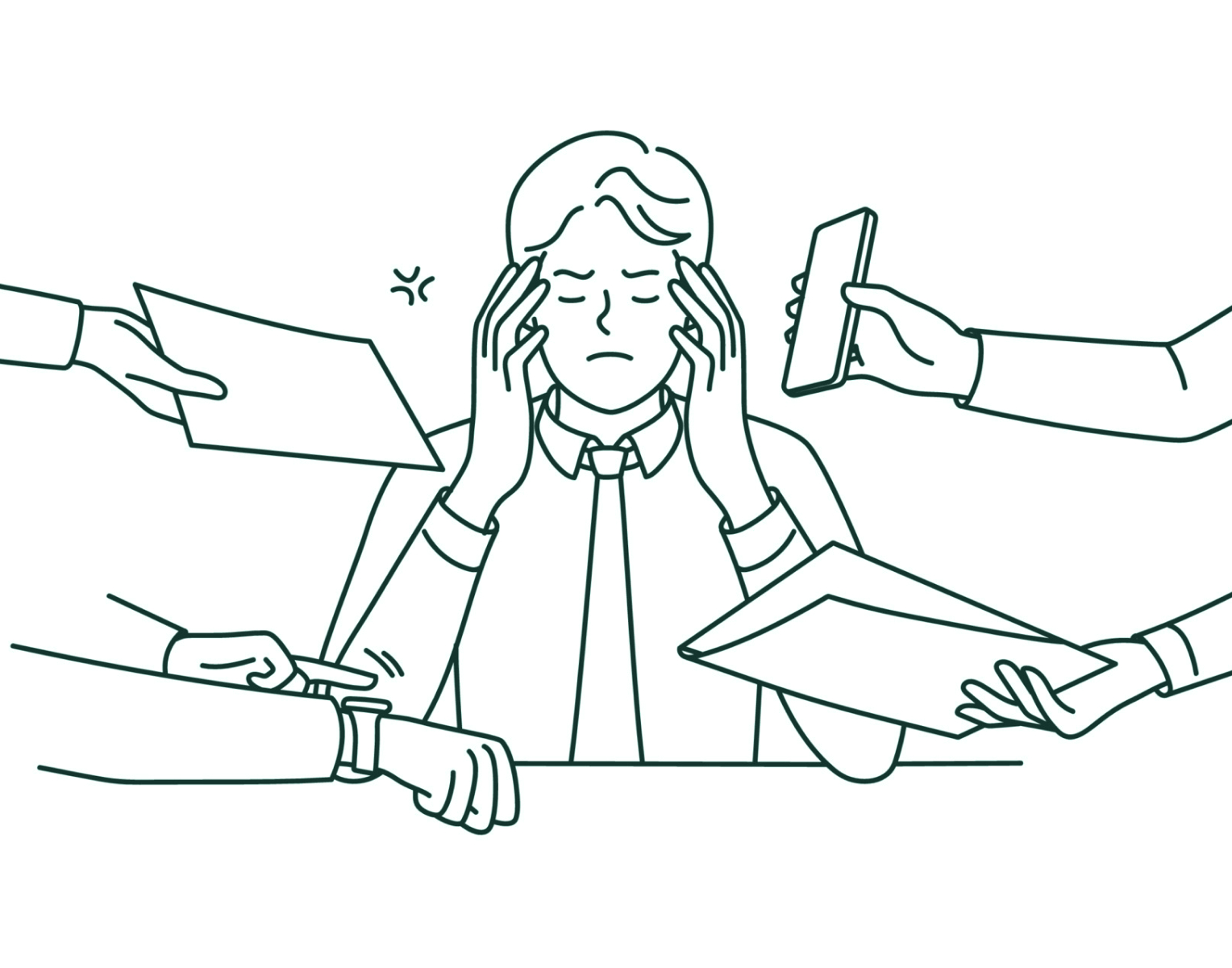
The stress from this morning's difficult conversation. The anxiety sitting quietly in the background about a funding gap or a team member you're not sure how to reach. The frustration from a meeting that didn't land the way you hoped. None of that clocks out when you walk into a one-on-one or sit down to give someone feedback. It comes with you. And it shapes how you listen, how you respond, and how present you actually are for the person on the other side of the table.
Most of us know this. And yet the relational side of leadership (i.e. the part that lives in how you show up, not just what you decide) rarely gets the dedicated attention it deserves. We spend hours on strategy, operations, and execution. We spend a lot less time asking: what am I actually bringing into the room today, and is it serving the people I lead?
That's where this series starts.
Self-Knowledge Is a Priority

Leadership culture has a funny habit of treating self-reflection like something you get to do once things slow down. A retreat, maybe. A coach, if the budget allows. A journaling practice for the leaders who somehow have that kind of morning.
But self-knowledge isn't a reward for when things quiet down. It's infrastructure. It's the thing that makes everything else work better.
When you understand your own patterns (e.g. how you behave under pressure, what tends to trigger a defensive response, where you habitually over-function or go quiet), you gain something no strategy doc can give you: the ability to choose how you respond instead of just reacting.
We see this play out all the time:
- A leader who hasn't noticed their own avoidance patterns will consistently let hard conversations sit too long, until they become something bigger.
- A leader who hasn't examined their relationship with control will struggle to delegate even when they genuinely want to.
- A leader who hasn't sat with their own relationship to failure will have a hard time letting their team take risks or make mistakes without stepping in.
These aren't character flaws. They're blind spots. And blind spots are, almost by definition, the hardest things to see on your own.
A Moment I Carry With Me
Earlier in my career, I worked closely with a leader I genuinely admired. She was sharp, deeply committed to her mission, and the kind of person her team would follow anywhere. But when things got hard - real uncertainty, real pressure - something shifted. The stress she carried about money was explicit. There was no filter. It came out in meetings, in passing conversations, in the tone of her emails. And over time, that unfiltered anxiety started to do something quietly damaging: it kept people from surfacing the things she most needed to know, because they didn't want to add to what she was already carrying.
Important details went unshared. Problems sat longer than they should have. People started leaving. And she didn't see it coming because she hadn't yet been able to see herself clearly enough to understand what was happening around her.
It took time. And it took real support (including therapy) for her to sit with what had been driving her behavior and what it had cost the people she cared about leading well. That kind of reflection isn't easy. But it changed everything about how she showed up after that.
That's the part that stays with me. Self-knowledge doesn't just change how you lead. It changes what becomes possible for the people around you. And sometimes, getting there requires more than good intentions. It requires help.
A Small Practice to Start
You don't need a personality assessment or a weekend retreat to begin. Just a few honest questions and a willingness to actually sit with what comes up.
Find ten minutes this week and reflect:
- When things get hard, what's my default? Do I push harder, pull back, reach for control, or look for somewhere to place the frustration?
- Think of a recent interaction that didn't go the way you wanted. What were you carrying into it that you didn't acknowledge, even to yourself?
- Is there something that keeps coming up in the feedback you receive across different people, different contexts that you haven't fully let yourself hear yet?
You don't need to fix anything. Just notice. Self-knowledge starts not with answers but with the willingness to ask yourself better questions.
Next week, we'll look at one of the hardest tests of that self-knowledge: showing up for your people when something difficult is happening in the world around you and you don't have the answer.
